Professional Cleaning Solutions
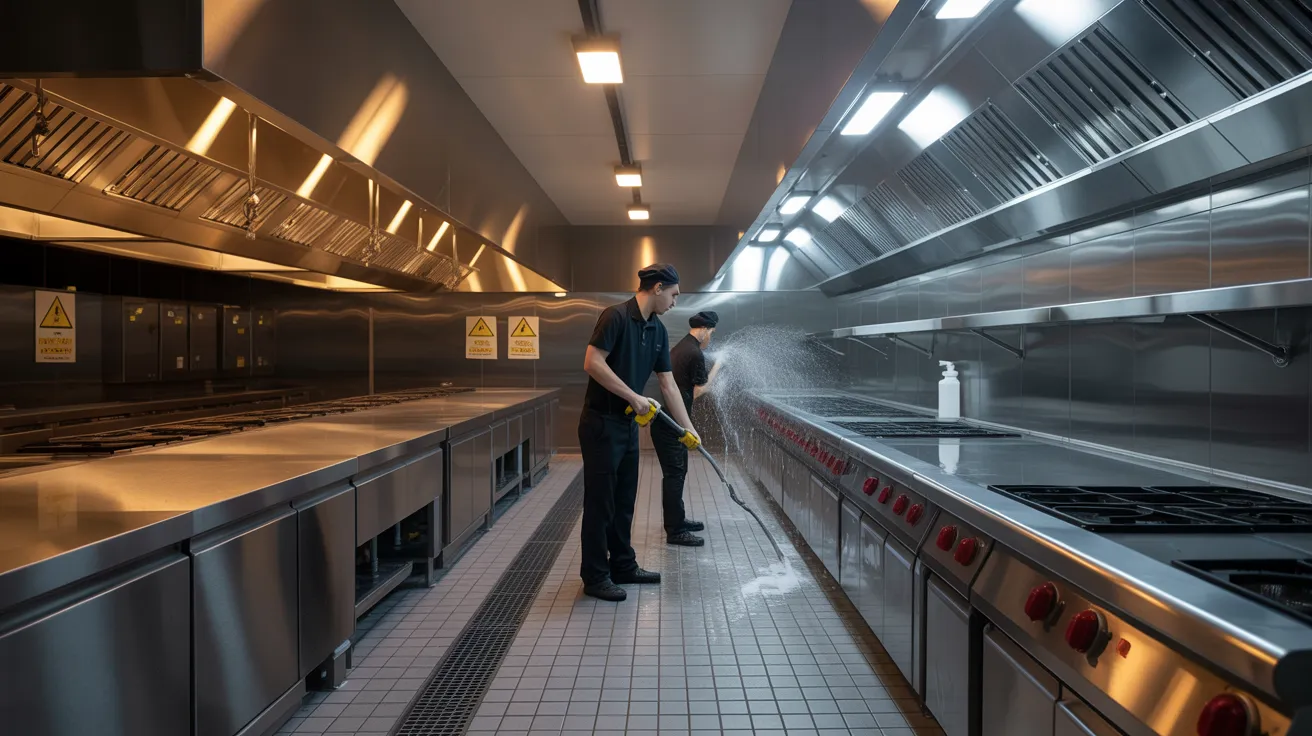
Food hygiene and professional sanitation experts in Brampton assist you in maintaining dining venues, commissaries, baking operations, warehouses, and useful information food service units in compliance. They sanitize high-touch points, food preparation zones, equipment, floors, drains, restrooms, and prep areas using certified sanitizers, correct concentration, and documented exposure durations.
Important Highlights
- Sanitation specialists in Brampton work with restaurants, grocery departments, commissaries, warehouses, bakeries, schools, mobile vendors, and allergen-sensitive operations.
- High-touch surfaces, food-contact equipment, kitchens, floors, drains, restrooms, and storage areas are disinfected using zone-based workflows to eliminate cross-contamination.
- Certified contractors validate proper chemical concentration, appropriateness, and exposure duration, then log finishing with swabs, audits, and correction logs.
- Proper hygiene calendars factor in risk, output capacity, format changes, spills, and requirements when distributing daily, periodic, and seasonal activities by location.
- Choose providers with HACCP, public-health, understanding, WHMIS, education, insurance, references, color-coded tools, and assessment-ready cleaning documentation.
Which Brampton Operations Need Food Safety Cleaning?
Brampton operations that process, store, prepare, package, or distribute food require sanitation protocols. Implement it if your facility is falls under public health inspection, food premises regulations, or internal HACCP-based controls. The obligation covers food venues, break rooms, supply centers, retail departments, butcheries, seafood areas, stores, and facility food prep.
You'll additionally need adherent sanitation standards in supply facilities, manufacturing operations, cold storage warehouses, bakeries, school food programs, reception halls, and delivery services. Mobile and temporary businesses count as well, examples being food trucks, festival vendors, and pop-up establishments. Should your employees process ingredients, portion ready-to-eat items, reheat products, or store allergens, your facility requires written cleaning standards. In Brampton, sanitation continues to be necessary; it forms regulatory, business, and safety adherence.
Which Areas Do Brampton Cleaning Experts Cover?
Professional cleaning teams specializing in Brampton disinfect high-contact surfaces, food preparation areas, ground surfaces, and sanitary facilities to satisfy food safety standards and health requirements. Emphasis on these spaces occurs because they pose maximum contamination danger, potential for accidents, and compliance issues.
Knowing their service areas enables you to validate your operation's sanitation satisfies required standards and regulations.
High-Touch Surface Disinfection
Sanitation in Brampton companies underscore high-touch surface sanitizing due to the potential of bacteria, viruses, and food residue transmitting across your space. You must have a written protocol for sterilizing frequently touched items like handles, plates, switches, railings, equipment controls, payment terminals, and fridge pulls. Using contact point analysis, teams identify every regularly used area and establish cleaning schedule
if results fall outside required standards. They also reduce contamination spread through swapping wipes, following sequential processes
Kitchen Areas, Floor Surfaces, and Bathroom Spaces
Expect Brampton cleaning experts to target kitchens, floors, and restrooms because each area carries unique foodborne illness prevention, accident prevention, and public health risks. In industrial kitchens, you need degreasing on cook lines, equipment exteriors, drains, prep surfaces, and splash zones to minimize contamination and pest pressure.
You should also expect documented flooring maintenance. is likewise provided as part of the service.
In restrooms, cleaners treat contact surfaces, bathroom hardware, partition walls, accessory dispensers, and receptacles then refill supplies and eliminate odor. They also maintain restaurant cleaning supply rooms where product storage, sink cleanliness, and drain systems impact daily sanitation standards and worker protection.
The Importance of Food Safety Cleaning in Brampton
In Brampton, you must maintain sanitary cleaning practices to meet health code requirements and achieve compliance. You also reduce cross-contamination by cleaning and sanitizing food-contact surfaces, equipment, and high-touch areas correctly. Most importantly, you help protect community wellness by reducing the chance of food poisoning in your establishment.
Health Code Compliance
Brampton food establishments must comply with strict public health standards, so cleaning procedures is critical to satisfying health codes, safeguarding customers, and sidestepping penalties. You must maintain clean food preparation areas, written maintenance records, safe chemical management, and documented employee protocols that comply with municipal and provincial inspection expectations.
When cleaning standards decline, notices, compliance orders, public perception damage, and service suspension from follow-up inspections or enforcement reviews become threats.
Contamination Control
Meeting regulatory requirements also depends on your capacity to stop cross-contamination during routine food preparation and sanitation. You must keep raw items away from prepared dishes, sanitize prep surfaces between tasks, and store chemicals away from food-contact items. Established guidelines minimize contamination chances and support consistent compliance during inspections.
Implementing allergen segregation helps keep priority allergens from contacting communal work zones, bins, or devices. Utilize separate boards, color-labeled items, and strict utensil labeling so staff don't mix items while preparing or distributing. Enforce hand hygiene following fresh proteins, aquatic items, egg products, or allergen materials. Replace wiping cloths regularly, and verify sanitizer strength with test strips. When your team learns these guidelines every shift, you establish a more hygienic, safer workplace that satisfies Brampton's food safety needs regularly.
Public Health Assurance
If food safety cleaning declines, you don't merely risk a failed inspection—you amplify the risk of foodborne illness harming customers, staff, and the broader Brampton area. You also weaken your role in protecting public health, especially in high-traffic food premises where pathogens travel quickly through surfaces, equipment, and touchpoints.
You need cleaning protocols that remove contaminants, disinfect appropriately, and validate outcomes. This requires following contact periods, using authorized sanitizers, documenting procedures, and coaching employees to meet health-unit expectations. These measures prevent illness spread by decreasing microbial counts before reaching surfaces or food. Throughout Brampton, effective sanitation safeguards susceptible populations, reduces outbreak risk, and demonstrates your diligence. When you follow proper protocols, you go beyond requirements—you mitigate risk and enable safer food service region-wide.
How Does Cleaning Support Food Safety Compliance?
Rigorous cleaning routines ensure food safety compliance by decreasing contamination threats, limiting pathogen development, and ensuring your facility complies with sanitation requirements under HACCP-based programs and public health regulations. You verify that food-contact surfaces stay visibly clean and microbiologically controlled, facilitating documented preventive controls and inspection readiness.
Cleaning programs additionally amplify allergen management by extracting residues that can lead to undeclared allergen exposure.
Determining When to Arrange Commercial Cleaning
gather harmful substances. Raise frequency
Treating periodic tasks distinctly guarantees more effective scheduling.
Selecting the Right Brampton Cleaning Experts: Key Considerations
Screen providers initially by their food-safe sanitation requirements—not budget alone. You need to confirm that every company meets CFIA, public health, and HACCP standards for your operation. Demand insurance verification, WHMIS compliance, training records, and management systems. Evaluate technician understanding of contamination dangers, chemical safety, and documented sanitation practices.
You should also assess business dependability and responsibility. Request references from food facilities in Brampton, then examine response times, corrective actions, and communication standards. Confirm the company participates in supplier audits and can present inspection-ready documentation when regulators or third parties request evidence. Check whether equipment is maintained is performed, color-coded implements are used appropriately, and facility-specific risks are recognized. A qualified provider protects compliance, product integrity, and your brand reputation.
What's covered in a Food Safety Cleaning Plan?
Put together a written program that establishes every sanitation task, standard, and responsibility before production begins. You should specify cleaning frequencies, approved chemicals, dilution rates, contact times, tools, and verification methods for each zone, surface, and piece of equipment. Make sure to include pre-operational inspections, corrective actions, and employee training requirements.
Your plan should also cover cross-contamination controls, waste handling, pest-prevention measures, and documented schedules for restrooms, drains, floors, and food-contact areas. Clarify how you'll distinguish raw from ready-to-eat operations, support ingredient tracking, and copyright accurate allergen labeling through validated cleaning between product changes. You should define accountability, maintain signed records, and check results against regulatory standards, HACCP controls, and customer requirements. When gaps appear, adjust procedures immediately and retrain staff.
Popular Asked Questions
Will sanitation providers handle nighttime hours at Brampton facilities?
Yes, you can set up cleaning services to manage nighttime operations in Brampton facilities. You'll manage overnight sanitation around operational windows, security controls, and staffing levels. Providers generally establish overnight procedures to minimize interruption, copyright compliance, and document finished tasks. You should verify response times, oversight, lockout protocols, and disposal methods before service starts.
Will sanitation professionals address emergency spills?
Yes, you can locate several Brampton cleaning professionals offering emergency response services. They handle contamination, evaluate risks, isolate zones, and perform swift decontamination to reduce exposure and prevent disruption. You should verify response times, training credentials, safety measures, and disposal methods. If your facility needs compliance, choose a service that logs events, maintains standards, and ensures verification.
Do plant-based disinfectants perform safely on food preparation areas?
Definitely, green disinfectants operate safely on surfaces contacting food if you purchase products labeled food safe that meet regulatory standards. You need to verify contact times, dilution ratios, and rinse protocols before use. Botanical formulations minimize chemical burden, but you need evidence of effectiveness against harmful bacteria. To maintain residue-free conditions, follow precise manufacturer instructions and validate your disinfecting agent adheres to applicable food industry sanitation standards.
Do sanitation programs enable seasonal variations?
Without question, cleaning plans adapt well for production fluctuations. Adapt frequencies, personnel, chemicals, and testing procedures to align with seasonal workflows while sustaining regulatory adherence. Minimize production downtime by timing sanitation around changeovers, maximum output, and usage cycles. Additionally update written procedures, staff education, and monitoring protocols to address periodic risks, emerging allergens, or increased soil loads. Regular reviews preserve the program efficient.
Do professional cleaning services educate employees on sanitation best practices?
Indeed, professional cleaners often offer staff training on sanitation best practices. Your team obtains instruction on proper chemical use, exposure durations, cross-contamination prevention, equipment breakdown, and record-keeping. They typically follow training with HACCP, GMP, and CFIA or regional health standards criteria. Many perform compliance inspections to confirm standards, reveal issues, and reinforce corrective actions. This assists you to establish reliable processes, pass inspections, and decrease foodborne illness risks each day.
Final Thoughts
Through working with Brampton food safety and commercial cleaning experts, you accomplish much beyond organizing—you keep your operation prepared for inspections and your procedures stay aligned with regulations. From kitchen spaces to processing areas, all maintained surfaces and organized zones reduce contamination risks and prevent significant costs. Through scheduling maintenance at proper intervals and sticking to a solid cleaning plan, you ensure protection for employees, your patrons, and your good name. In a tightly controlled regulatory landscape, proper sanitation cannot be considered optional—they are fundamental to success.